Color Matching Techniques for a Painted Colorbond Fence Refresh
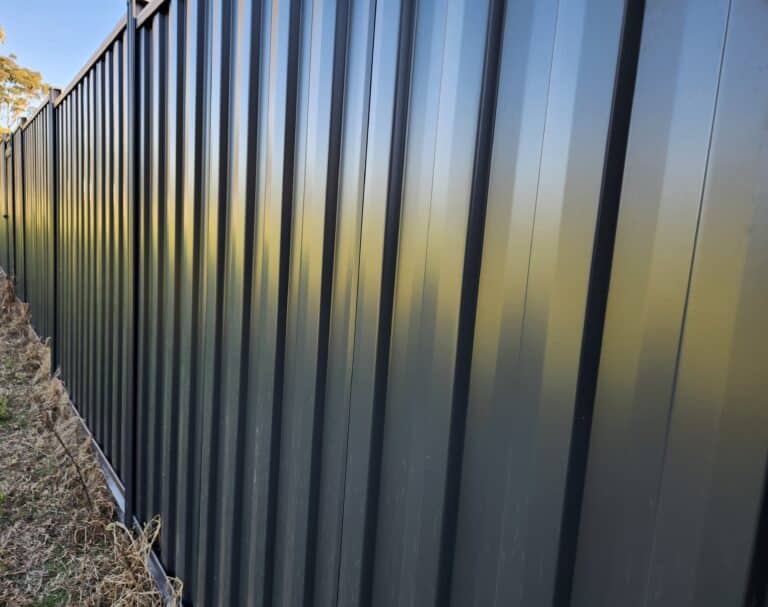
A Colorbond fencing earns its maintain. It locks in personal privacy, shrugs off weather, and frameworks a backyard with a clean steel account that will certainly last longer than most hardwood. Time and UV still leave their mark. The baked-on factory coating fades, airborne dirt and watering areas build up, and a repair service or new entrance shows up in a various batch with a somewhat off tone. A great repaint can tidy all of that, but the repaint lives or passes away on shade and shine. If you miss by a portion, the fencing will certainly shout it every warm afternoon.
I have actually revitalized loads of painted Colorbond fences, from peaceful side passages to long border runs that checked out like a billboard from a next-door neighbor's 2nd tale. The secret is not a solitary magic formula. It is a sequence of selections that suit the age of the finishing, the quantity of discolor, the surroundings, and your hunger for danger. Below, I walk through the choices and compromises that matter, with hard-earned pointers you can put to work this weekend.
How manufacturing facility shades translate to paint tins
Colorbond panels leave the factory with a resilient, pre-painted finish. The scheme is a curated collection, and names like Timberland Grey, Monument, Surfmist, Dune, Basalt, Ironstone, Paperbark, and Shale Grey know throughout suburban areas. Repaint manufacturers in Australia keep solutions that approximate these tones. Dulux, Wattyl, and Taubmans can usually tint an exterior acrylic to a named Colorbond shade on demand. That faster way assists when you are repainting a new fencing or replacing several panels so you can reset the whole run to a common tone.
Age complicates the story. A 5 to 10 years old colorbond fence installer fence rarely matches the follower deck. UV has actually moved the chroma and agility in unequal methods. Greys have a tendency to chalk and review lighter, warm neutrals like Paperbark can lose a few of their creamy note, and deep charcoals flatten out with a hint of blue that was not there on the first day. If you draw a brand-new tin mixed to the released formula and start rolling, the fresh section will certainly look right in the color and wrong completely sun, or vice versa. That mismatch will not mellow with time. You need to paint the entire visual plane to make it disappear.
The genuine target: match the fence as it looks today
The goal is not theoretical color precision. The objective is consistency from your back door or the neighbor's deck at 5 pm. I think in scenes. Where does the eye travel when you open the slider? Which panels capture the sunlight first each early morning? Which area sits under gum trees that dust it with plant pollen? Color matching requirements those solutions since you might make a decision to differ the technique in between the laneway, the street front, and the swimming pool area.
A straightforward instance. I once had a back boundary in Monolith that had faded in a different way on the left and ideal halves. The left sat behind a jacaranda and remained cooler and bluer. The best faced north, chalked, and lifted a notch in agility. If I matched the center, both ends looked off. The solution was to tidy and after that repaint the entire rear boundary, corner to corner, in one continuous session so the light captured a single luster and pigment mix. For the side returns that met your house, I lightened the mix by 2 percent to counter a shadowy courtyard and maintain a consistent read with the back border in full sunlight. That 2 percent sounds picky, yet on large planes, it matters.
A fast field test for fade
Do two things before you purchase paint. Initially, scrub a 300 by 300 millimetre spot to bare sincere shade with a soft brush and moderate detergent. Rinse and allow it dry. That spot is your control. Second, rub an adjacent area with a clean white rag. If the rag lifts chalk, the pigment at the surface has already damaged down. That milky movie lightens up the obvious color in sunlight but transforms flat and lifeless in color. You have to support that surface area or any type of brand-new paint will bond to dust rather than the coating.
When a fence still has a tight, somewhat shiny factory finish, the majority of high quality outside polymers will hold after a scuff and clean. When it is milky, you want a specialty sealer or attachment guide designed for weather-beaten coil-coated steel. I have had trusted outcomes with water-based acrylic guides that specify adhesion to formerly painted steel and milky surface areas. Oil-based primers are solid, however they can tighten up and telegraph lap marks on wide, slim steel. Water-based systems are more forgiving and broaden with warm without cracking.
Spectrophotometer scans and what they can and can not do
Paint shops can check a physical sample to produce a custom-made suit. If you can eliminate a tiny component like a post cap, fence rail offcut, or a gate infill, bring it in. The scanner reviews reflectance and returns a formula. This works well when the surface is clean and not chalked. It has a hard time when the coating has micro-oxidation or shiny and matte zones in the very same example. Shop staff will frequently sand or clean a corner and take multiple reviews. Request for that. After that ask for a 250 millilitre sample pot rather than committing to 10 litres on faith.
Do not check a sloppy area or a sunburnt patch that you prepare to change anyhow. You are training the system on an inadequate instance. Choose a depictive panel in the center of the lengthiest run where your eye will land the majority of the day. That becomes your reference.
Sheen selections impact regarded color
Even with an excellent color, the wrong luster will certainly make an excellent suit look wrong. The manufacturing facility surface reads as reduced sheen to satin on most accounts. Full gloss on a fencing is usually a mistake. It magnifies ripples and overemphasizes roll marks. Level eliminates the refined light bounce that makes Colorbond look crisp.
I specify reduced luster or satin outside acrylic for nearly every painted Colorbond job. Satin deepens darker tones like Monolith or Ironstone without a plastic sparkle. Low shine keeps lighter shades like Surfmist or Shale Grey from glaring in rough mid-day light. If you have a ripple-prone area or patched damages, lean low shine and allow the surface area recede.
A sensible operations that decreases guesswork
Here is the short version I draw on when time or budget plan is tight. It is not best scientific research, however it is incredibly trustworthy for painted Colorbond fence panels of different ages and exposures.
- Clean and de-chalk a 1 square metre test area on one of the most visible run. Let it completely dry and note the shade in color and sun.
- Take a detachable component or a well-cleaned scrap to a trustworthy paint supplier for a spectro suit. Request for two variations, one at the suit and one a hair darker or lighter depending upon your fencing's fade.
- Buy sample pots for both variants in your target sheen. Brush or spray 2 rectangular shapes on the cleaned up test section. Let them completely dry and treatment overnight.
- View the examples throughout 3 times of day. Choose the one that vanishes from 5 metres in both shade and sun.
- Scale up to the full blast and maintain the batch numbers consistent. If you need several tins, decant and box them with each other to prevent set drift.
That last action, boxing paint, conserves migraines. Also within the same shade code, little set differences can move the read on a 30 metre run. I pour all tins into a clean drum and mix thoroughly so there is one constant body color. Leftover paint goes back right into the tins for storage.
Edge instances: partial repaints, new gateways, and panel replacements
Sometimes you can not repaint every little thing. A next-door neighbor regulates one side of the limit, or you have changed a solitary panel or installed Colorbond fence gates in a fresh batch. Shade shifts attract the eye, so handle them smartly.

- For solitary panel replacements that are undoubtedly off, paint from article to upload throughout that entire aesthetic plane, not simply the brand-new sheet. The objective is to hide the joint by unifying shine and tone.
- For brand-new entrances, repaint eviction and both surrounding bays. Gates commonly have various folding or rib patterns that capture light in different ways. Extending the repaint outside lowers contrast.
- Where an L-shaped edge fulfills, repaint at least 2 bays on both legs of the edge. Corners amplify shade differences since the aircrafts show light at various angles.
On one project, a charcoal gate panel in a typical profile sat in between 2 paler, chalked bays. Painting just the gate looked worse. Painting three bays each side repaired the view from the patio area and the lawn, although the side return still brought its older finish. If budget plan allows, choose your audience. You live in your lawn greater than the laneway. Start where you spend your time.
Preparation that actually matters
People overcomplicate metal preparation or miss the dull parts. Both cost you later. The fencing surface will certainly flex in heat and bow in chilly. Any type of weak layer under your fresh coat will let go in the initial summer season. My prep steps are the same whether I am matching Woodland Grey, Paperbark, or a personalized neutral.
- Wash with a hose and soft bristle brush making use of a light cleaning agent. Rinse extensively and allow completely dry. Prevent hostile stress washing that can drive water into laps.
- Remove sap, oils, and silicone residue with a committed wax and oil cleaner. Wash once again. Silicone is the enemy of bond and triggers fish eyes when you spray.
- Test for chalk by rubbing with a white rag. If chalk transfers, apply an adhesion-promoting guide developed for weather-beaten painted metal. Otherwise, a scuff with an artificial pad enhances mechanical key.
- Mask surrounding stonework, wood, and light weight aluminum. Overspray on brick is miserable to get rid of. I utilize a lightweight plastic sheet and tape combination and relocate bay by bay.
- Prime bare metal or cut edges with a rust-inhibitive primer. Also a six millimetre scratch will certainly sneak if you trap it under a topcoat without sealing.
That last factor, cut edges, matters most along the bottom where whipper snippers and lawn mowers nick the finish. If you see red rust, neutralize it and prime prior to topcoating. If it is just a brilliant scrape, prime when and relocate on.
Application methods and exactly how they impact color
Rollers, brushes, airless rigs, and HVLP all lay paint in a different way. You can get an acceptable outcome with any kind of, but you require to be constant within an aircraft. Rollers lay a slight orange peel that reads a touch lighter in raking light. Sprayed coatings level out and can check out much deeper. If you begin rolling and then go after holidays with a spray can, you will develop texture and shine differences that appear like shade differences.
I favor a tiny airless sprayer set to a soft fan for rate and consistency on ribbed accounts, with a light back-roll to even the film. HVLP beams on gates and trims where control matters. If you should brush and roll, choose a reduced nap roller matched to smooth metal and avoid overworking the paint. Two slim coats defeated one hefty one for both shade deepness and durability.
Ambient problems matter for shade as well. Paint on a warm, sun-facing panel will certainly flash off promptly, trap roller stipple, and go uneven. I operate in color or chase after the color, beginning on the west side in the morning and east side in the mid-day. If a heat wave is coming, postpone. Steel can hit 60 levels Celsius completely sunlight. A lot of layers want the substratum listed below 35 to 40 levels for proper coalescence.
When the manufacturing facility color is as well dark for your microclimate
Not every combination selection operates in every lawn. Monolith looks sharp in advertising images, but in a narrow yard it can really feel oppressive and emphasize dust and difficult water areas. Pale Eucalypt and Home Green sit wonderfully under native trees, yet they can mirror a green cast right into living rooms with big sliders.
If you are painting as opposed to changing, you can guide the tone without battling the area. I frequently raise deep charcoals by just a portion, cooling or heating the neutral based upon the provide or brick of your home. On lighter tones, I will suppress a hint of yellow or green if the house sits on a south dealing with block with great light. These are half-step pushes that keep the fence within Colorbond region but far better matched to your light and architecture.
Managing assumptions about excellent matches
You can obtain close. Most of the time, you can get so close that the human eye will not call it out from five metres. Excellence is unusual since the manufacturing facility finish has a deepness and mini structure that field-applied paint does not exactly reproduce. The trick is to manage the variables you can. Keep shine regular, paint full visual planes, and consider your examples throughout different times of day.
If you desire outright integrity for a solitary damaged bay, panel replacement is still an alternative. Colorbond fence panels from current production will certainly match each various other panel for panel. The catch is that new panels will often look new versus old ones. You have actually traded a scrape for a patchwork. Evaluate the compromises. On edge great deals, I often specify a repaint to combine the boundary that encounters the road and accept a useful inequality at the back where nobody looks twice.
Costs, providers, and where repaint sits versus replacement
Colorbond fencing prices differ by height, account, wind area, and distributor. As a ball park, products for a 1.8 metre high Colorbond fence can land anywhere from the reduced hundreds to several hundred dollars per linear metre depending on the market, with installed expenses sitting higher once you factor in articles, footings, removal of old fence, and labor. A gateway includes a costs for framing and hardware. Colorbond fence contractors can quote per metre and will typically price entrances as different line items. If you desire a cheap Colorbond fence, you tend to surrender on personalized shades, fancy Colorbond fence designs, and ornamental slats.
A paint for a 30 metre run generally utilizes between 8 and 14 litres of topcoat relying on account and overspray, plus guide where needed. Add concealing, cleaning up representatives, and rollers or spray equipment. If you do the job on your own, the paint costs to rejuvenate a painted Colorbond fence can be a fraction of replacement. Work with a painter, and labor will certainly overshadow materials, but you still often land well below complete substitute, specifically if your blog posts and rails are sound.
Choose suppliers with published cross recommendations to Colorbond fencing shades and a record of outside acrylics that last. Dulux, Wattyl, and Taubmans are secure picks. Independent paint shops can likewise take care of a tight custom match if they have a good spectro and person team. For equipment fresh Colorbond fence gates and caps, shop reliable Colorbond fence suppliers so the steel and accounts integrate neatly with your existing runs.
Privacy, style accents, and shade methods that flatter a yard
Color is not just a match exercise. It is a style tool. If your primary goal is Colorbond fence privacy, darker shades reduce and press the limit back visually, particularly when paired with thick planting. Light tones can jump heat and lighten a yard, however they show more marks and can glow. Mid-tones like Dune and Lava tend to be forgiving under blended sun and shade.
Colorbond fence concepts that work well in lived areas often entail refined contrasts. Repaint blog posts and rails one notch darker than infill sheets to add meaning without busying the fencing. For a swimming pool area, a softer Shale Grey infill with Monolith posts structures water without stressing the eyes. If your home wears warm block, Paperbark or Jasper reads cohesive. Made awesome greys sit perfectly with Timberland Grey or Lava. A Colorbond paling fence look, made with duplicating narrow ribs, benefits from low luster so the rhythm of the account does not strobe in strong sun.
If you have latticework or slatted mattress toppers, treat them as a different component. Matching the mattress topper precisely to the body can look hefty. I commonly raise the mattress topper a fifty percent tone lighter to damage the mass and match close-by eaves.
Gates deserve their very own attention
Gates move, flex, and gather hand oils. They bring latches that you touch daily and borders that catch footwear and strollers. Repaint the latch side last and let it treat correctly before heavy usage. If you mount new hardware that does not match the old openings, fill and prime the old holes with a metal filler that continues to be versatile. Absolutely nothing spoils a tidy repaint much faster than print-through of rushed patches around hinges.
Gates additionally sit under different stress and anxieties. Roadside gates deal with dirt and exhaust. Swimming pool entrances suffer from chlorinated mist. A clear, non-yellowing, graffiti-resistant overcoat can include life span in these areas. Maintain the shine compatible. A satin clear over a reduced shine shade will increase the gloss slightly. Do an examination panel before you commit.
Maintenance that protects your match
Repainting is not the end of the story. A rinse with a hose every few months, specifically near the coast or under sap-dropping trees, keeps impurities from engraving into your fresh movie. Trim irrigation heads so they do not pepper the reduced bays with difficult water. Where a gardener utilizes a line leaner, established a slim crushed rock strip to keep nylon cables off the sheet edges. That little landscape design tweak extends the life of both paint and steel.
Touch-ups are difficult. A brush bit onto a sunlit panel often telegrams. If you need to retouch a chip on a dark shade, feather it gently and keep the repair smaller sized than a fifty cent item. On light shades, even small touch-ups can flash. I maintain a tiny aerosol matched to the final color and appearance out little repairs with a feathery dirt coat rather than a wet ball. If touch-ups start to collect, paint that bay post to post.
Working with next-door neighbors and body corporates
Boundary fences are political. A shade you enjoy might be a shade your next-door neighbor abhors. If the fencing rests on the border line, check who owns what. Some councils and bodies corporate have standards that limit the combination to particular Colorbond fence designs or tones noticeable from the street. A quick phone call and a one page paint spec can save a strained relationship.
I like to share a tiny example board sprayed with two or 3 candidate matches and stroll the next-door neighbor to the places where it will matter. Stand back five metres, consider it at 10 am and 5 pm, and agree prior to you acquire. That 10 minute routine has avoided more conflicts than any various other trick in my kit.
Weather variables and just how they move perception
Color on metal is a relocating target because steel throws heat. Morning shade hides subtle differences. Midday sun whitens them. Late afternoon raking light will either award your efforts or expose every lap and miss out on. When unsure, example even more and paint less. Cope with an examination spot for a full day cycle. If a looming occasion pressures speed, prioritize the view lines people make use of most. A perfect side return that nobody sees is much less useful than a 95 percent right backyard that structures every family members barbecue.
What to do when nothing quite matches
It occurs. You have cleansed, scanned, tinted, experienced, and still the fresh layer really feels a touch off. You have two continuing to be bars that often conserve the work. First, readjust luster. Going down from satin to low luster can mute a shade that really feels too assertive. Second, broaden the painted area so the eye checks out a single stretch rather than a patch framed by older paint. A lot of mismatches soften when you stop compeling a brand-new shade to sit in a small home window of old color.
On one stubborn Surfmist match, the tone was excellent yet the intense read felt clinical against a cozy, beige provided home. We maintained the shade and added a narrow growing strip with rosemary and native grasses. The eco-friendly softened the comparison and the fence declined. Not every color issue needs more paint.
Installation and paint timing
If you are intending brand-new Colorbond fence installation on one border and repainting the others, paint after the brand-new panels go in. Allow installers damage blog posts and scuff sheets without fretting. After that shade suit to the final mix of new and old. If the budget plan allows, utilize the brand-new fence as your criterion and bring the old ones to match. If the new fencing lands in a various distributor's take on the same called color, painting the older runs to that brand-new standard merges the boundaries.
The base line
Color matching on a painted Colorbond fence is equivalent parts craft and self-control. Respect the surface area, go after uniformity in luster and aircraft, and allow your eyes, not simply the color formula, make the final call. Whether you are tying in a brand-new gate, extending the life of a weathered boundary, or freshening the whole backyard, the technique remains the very same. Tidy extensively, stabilize the substrate, sample wisely, and apply with treatment under the best problems. Do that, and your fencing will certainly quit screaming and begin framing the spaces you really live in.